Common Applications for Rubber Lined Cable Ties
Have you ever struggled with cables rattling loose in your vehicle? Or perhaps you've noticed unsightly marks left behind by standard cable ties on delicate surfaces? Maybe you're working on a project where vibration and movement could spell disaster for your carefully organised wiring?
If any of these scenarios sound familiar, you're about to discover a simple yet brilliant solution that's been making waves across multiple industries. Rubber lined cable ties might seem like a small upgrade from their standard counterparts, but the difference they make is genuinely impressive. These clever fasteners combine the reliable securing power of traditional cable ties with a protective rubber lining that cushions and grips whatever you're bundling together.
What Are Rubber Lined Cable Ties?
How Do Rubber Lined Cable Ties Differ from Standard Cable Ties?
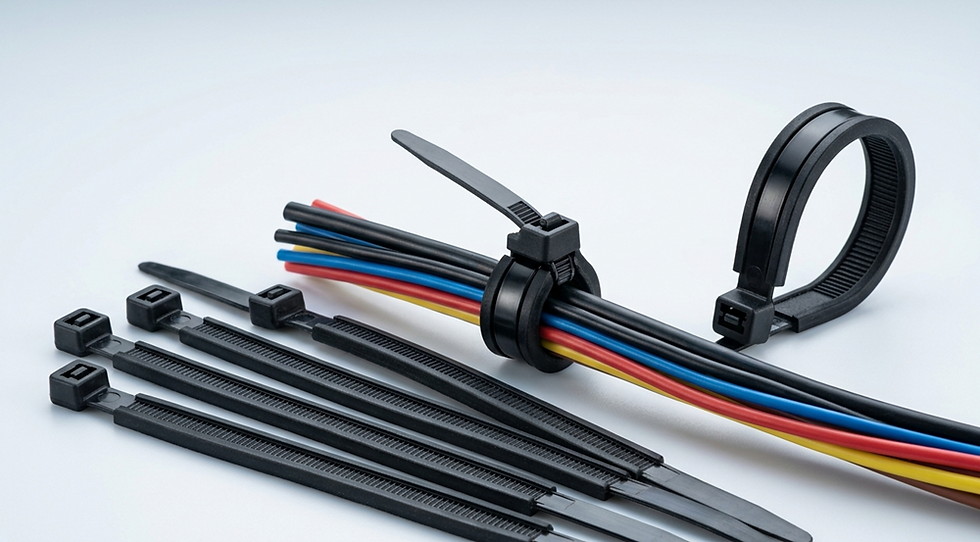
At first glance, rubber lined cable ties look similar to the standard nylon ties you'd find in any hardware store. The key difference lies in the inner surface. While regular cable ties feature a smooth plastic interior, rubber lined versions include a soft rubber or elastomer coating along the inside edge that contacts your cables or pipes.
This rubber lining creates a cushioned barrier between the tie and whatever you're securing. Standard ties can dig into surfaces over time, especially when vibration is involved. They can also slip when things get slick or oily. The rubber lining solves both problems by providing grip and protection simultaneously.
Key Materials and Construction
Most rubber lined cable ties feature a durable nylon outer shell, typically made from UV-stabilised nylon 66 for outdoor applications. The inner lining is usually EPDM rubber or a similar elastomer known for its excellent weather resistance and flexibility. This combination gives you strength where you need it and softness where it counts.
Top Benefits of Using Rubber Lined Cable Ties
Vibration Dampening and Noise Reduction
One of the standout advantages of rubber lined cable ties is their ability to absorb vibration. In environments where machinery runs constantly or vehicles travel over rough terrain, standard ties can allow cables to rattle and buzz. The rubber lining acts as a shock absorber, dampening these vibrations and significantly reducing noise.
This feature is particularly valuable in automotive applications where rattling cables can drive you absolutely mental. The rubber cushion keeps everything snug and quiet, even on the bumpiest outback roads.
Protection Against Abrasion and Chafing
Cables and hoses are surprisingly vulnerable to damage from constant rubbing. Over time, even gentle friction can wear through protective sheaths and expose delicate wiring. Rubber lined cable ties create a protective buffer that prevents this chafing, extending the lifespan of your cables considerably.
This protection becomes critical in industrial settings where cable failure could mean expensive downtime or safety hazards.
Enhanced Grip Without Surface Damage
The rubber lining grips surfaces firmly without leaving marks or causing damage. This makes rubber lined cable ties ideal for securing items to painted surfaces, polished pipes, or anything where scratches would be a problem. You get a secure hold without the evidence.
Common Applications for Rubber Lined Cable Ties
Automotive and Transport Industries
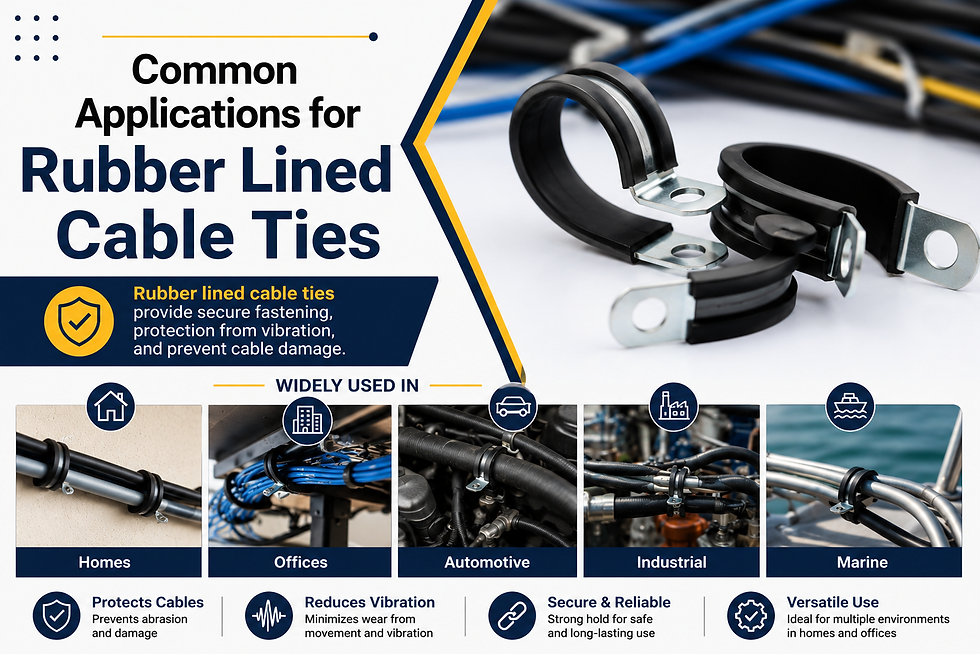
The automotive sector absolutely loves rubber lined cable ties. Mechanics and manufacturers use them to secure wiring looms, brake lines, and fuel hoses in engine bays where heat, vibration, and oil create challenging conditions.
In trucks, buses, and caravans travelling across Australia's rough roads, these ties keep everything firmly in place. They're also popular for aftermarket installations like driving lights, CB radios, and auxiliary batteries where neat, damage-free cable management matters.
Marine and Boating Applications
Saltwater environments are brutal on standard fasteners. Rubber lined cable ties made with marine-grade materials resist corrosion and maintain their grip even when constantly exposed to moisture. Boat owners use them for securing electrical cables, rigging lines, and navigation equipment.
The rubber lining also prevents the annoying creaking and rattling that can occur as boats rock and pitch on the water.
Mining and Heavy Machinery
Mining operations demand tough products that can handle extreme conditions. Rubber lined cable ties secure hydraulic lines, electrical cables, and sensor wiring on excavators, dump trucks, and processing equipment. The vibration dampening properties are essential when machinery runs around the clock.
Electrical and Data Cable Management
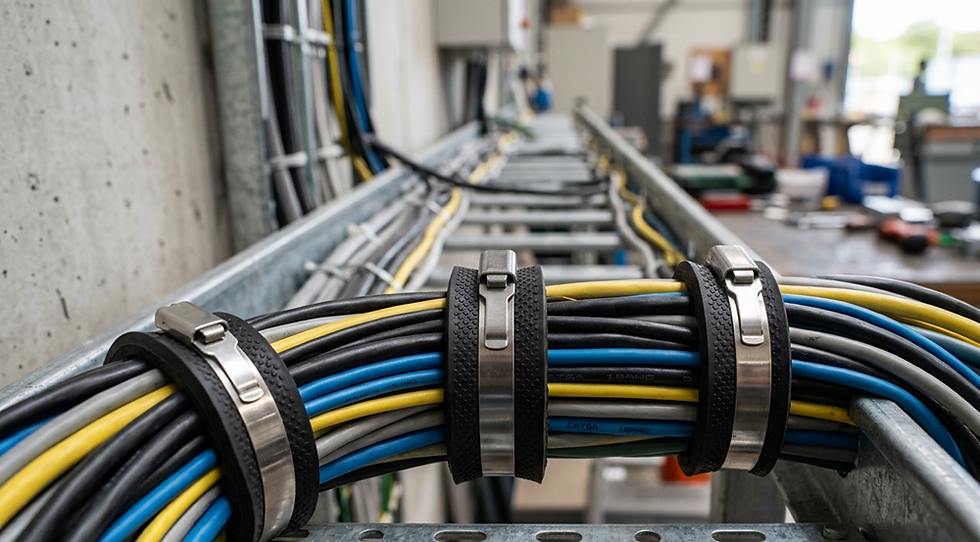
Data centres and commercial electrical installations benefit from the gentle grip these ties provide. They organise cables without crushing or deforming them, which is crucial for maintaining signal integrity in data cables. The rubber lining also allows for easier repositioning when networks need reconfiguring.
HVAC Systems and Plumbing
Heating, ventilation, and air conditioning systems involve numerous pipes and cables that need secure mounting. Rubber lined cable ties prevent rattling in ductwork and protect insulated pipes from damage. Plumbers also use them to secure copper and PVC pipes without risking surface damage.
Solar Panel Installations
Solar panel cables face constant UV exposure and temperature fluctuations. Rubber lined cable ties with UV-stabilised construction keep cables tidy and protected on rooftop installations. They prevent cables from rubbing against mounting frames and withstand the harsh Australian sun.
Agricultural Equipment and Outdoor Use
Farm machinery takes a beating. Dust, mud, extreme temperatures, and constant vibration challenge any fastener. Rubber lined cable ties secure wiring on tractors, harvesters, and irrigation systems, providing reliable performance in tough agricultural conditions.
Are Rubber-Lined Cable Ties Suitable for Outdoor Use?
Absolutely, provided you choose the right ones. Look for ties specifically rated for outdoor applications with UV-stabilised nylon construction. These products resist degradation from sunlight and withstand temperature extremes from freezing nights to scorching summer days.
Quality outdoor-rated rubber lined cable ties typically handle temperatures from -40°C to over 85°C without losing their grip or becoming brittle.
What Size Rubber Lined Cable Ties Do I Need?
Choosing the correct size depends on two factors: the bundle diameter you're securing and the load requirements. Measure the circumference of your cable bundle at its widest point, then add some extra length for the locking mechanism.
For light-duty applications, standard width ties around 4-5mm work well. Heavier loads or larger bundles might need wider ties of 7-9mm for added strength. When in doubt, go slightly larger rather than forcing an undersized tie.
Can Rubber Lined Cable Ties Be Reused?
Most rubber lined cable ties feature a one-way locking mechanism designed for single use. However, releasable versions are available that allow you to open and reuse them multiple times. These cost a bit more but prove worthwhile when you need flexibility for maintenance or reconfiguration.
Standard non-releasable ties can technically be cut off carefully and the rubber lining reused with a new outer tie, though this isn't ideal for critical applications.
Rubber Lined Cable Ties vs Cushioned Clamps: Which Is Better?
Both products serve similar purposes, but they excel in different situations. Rubber lined cable ties offer greater flexibility and are quicker to install without special tools. They're brilliant for bundling multiple cables together and for irregular shapes.
Cushioned clamps provide superior load-bearing capacity and are better for permanent installations where cables won't need repositioning. They require mounting holes but offer a cleaner, more professional appearance.
For most general applications, rubber lined cable ties win on versatility and ease of use. Choose cushioned clamps for heavy-duty permanent mounts.
How to Choose the Right Rubber Lined Cable Ties for Your Project?
Load Capacity and Tensile Strength
Check the tensile strength rating, which indicates the maximum load before the tie fails. Light applications might need just 18kg capacity, while industrial uses could require 50kg or more. Always allow a safety margin above your expected load.
UV Resistance and Weather Considerations
For outdoor projects, UV resistance is non-negotiable. Black nylon ties generally offer better UV stability than natural or coloured versions. Confirm the product specifications mention UV stabilisation for anything exposed to sunlight.
Temperature Tolerance
Consider the temperature range your ties will experience. Standard rubber lined ties handle most conditions, but extreme environments might need specialty products rated for extended temperature ranges.
Installation Tips for Maximum Performance
Getting the best results from rubber lined cable ties requires proper technique. Position the rubber lining directly against the surface you want to protect. Tighten firmly but avoid over-tensioning, which can compress the rubber and reduce its effectiveness.
Leave slight slack in cable runs to accommodate movement and thermal expansion. For vibrating applications, consider using multiple ties spaced along the run rather than relying on a single point of attachment.
Finding the Right Solution for Your Needs
Rubber lined cable ties solve problems that standard ties simply cannot address. Their ability to dampen vibration, prevent surface damage, and maintain grip in challenging conditions makes them invaluable across countless applications.
Whether you're wiring up a 4WD for your next outback adventure, installing solar panels on your roof, or maintaining industrial equipment, these versatile fasteners deserve a spot in your toolkit. The small extra investment compared to standard ties pays dividends in durability, protection, and professional results.


Comments