Upgrade Your Backyard in Victoria with Farm Sheds the Ultimate Aussie Home Improvement Guide

If you want to upgrade your backyard in Victoria, farm sheds are the go‑to solution for extra storage, livestock shelter and a solid workshop space. I mean, in this guide i’ll walk you through design choices, material options, council approvals, installation steps & long‑term care, all with a focus on the victorian climate and building codes. You’ll also get a look at smart‑tech add‑ons and real‑world examples from Melbourne suburbs and regional towns, so you know exactly what to expect before you start.
Why farm sheds are a smart upgrade for Victorian backyards
From what I've seen, a well‑planned farm shed can double the usable area of a typical suburban block without breaking the neighbour’s line of sight... The thing is, Victorian summers can push 35 °C while winter evenings dip below 5 °C, so a sturdy structure keeps tools dry and livestock comfortable year‑round.
● Provides secure, lockable storage for power tools, garden machinery and seasonal gear.
● Creates a dedicated space for small‑scale livestock, like chickens or goats, reducing pest issues in the main house.
● Adds value to the property by offering a functional outbuilding that complies with local zoning.
● Can be fitted with solar panels for off‑grid power, ideal for remote properties.
Choosing a design that fits local climate and lifestyle
In my experience, the most popular roof styles in Victoria are gable and skillion, because they shed rain quickly and handle wind loads from the southern coast... A gable roof gives extra headroom for a loft or mezzanine, while a skillion roof is cheaper to frame & works well with solar panels.
What typically happens is that homeowners start with a simple rectangular footprint, say 6 m × 9 m, and then add a side office or a rear loading dock as the need grows. This modular approach means you can expand later without a full redesign.
● Standard bay size: 3 m wide, 3 m deep – easy to combine for larger layouts.
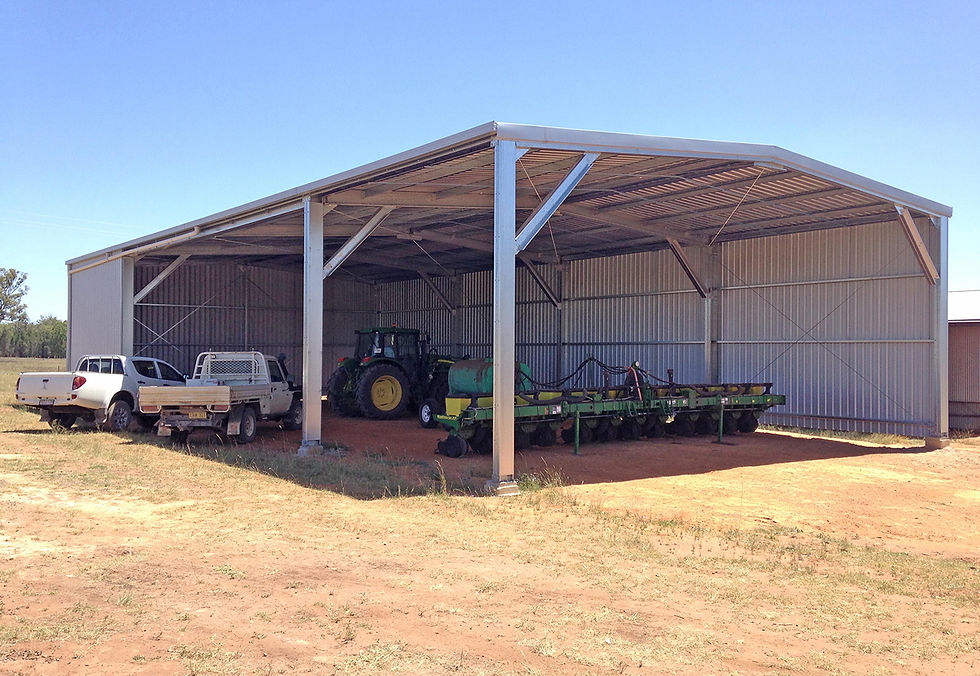
● Clear‑span portal frames up to 12 m span are available from local steel fabricators.
● Door options: double‑leaf roll‑up, insulated swing doors, or security grilles.
● Ventilation: ridge vents louvered side vents and solar‑powered extractor fans.
Materials: metal farm sheds Victoria vs timber and aluminium...
Metal farm sheds Victoria dominate the market because they’re low‑maintenance, termite‑proof & can be powder‑coated in ColourBond colours that match any suburban street. Timber is still chosen for a rustic look, but it requires regular staining & a pest‑proof barrier.
Aluminium frames are lighter and resist corrosion, yet they can be more expensive per metre & may not meet the load requirements for heavy equipment storage. To be honest, when i compare long‑term costs, steel wins on durability and resale potential.
● Steel gauge: 0.5 mm for walls, 0.8 mm for roof panels – good balance of strength and weight.
● Insulation: 50 mm R‑value board for walls, optional reflective roof coating for heat reduction.
● Colour palette: classic “Sydney Red”, “Terracotta”, “Storm Grey” – all UV‑stable.
● Fasteners: self‑drilling, corrosion‑resistant screws to avoid rust.
Planning permission, setbacks and fire‑rating in Victoria...
Before you cut any timber, check the local council’s agricultural shed permits. In most Melbourne suburbs the setback from the front fence is 3 m, while rear setbacks can be as little as 1 m if the roof height stays under 3 m.
What typically happens is that a fire‑rating certificate is required for any building within 30 m of a bushfire‑prone area. Like, use a non‑combustible roof and install a fire‑separated wall if you’re near the dandenong ranges.
● Required documentation: site plan, elevation drawing, and structural calculations.
● Typical processing time: 2‑4 weeks for standard applications.
● Exceptions: sheds under 10 m² in a purely residential zone may be exempt.
● Local resources: Melbourne City Council Offers an online portal for agricultural shed permits.

Step‑by‑step installation guide for DIY or contractor...
If you’re a handy DIYer, start with a concrete slab or compacted gravel base that’s at least 150 mm thick. A level foundation prevents wall distortion when the steel frames are bolted in.
Next, erect the portal frames using a crane or a small forklift, most kits come with pre‑drilled holes for fast assembly. Align the frames with the layout lines, then bolt the wall panels to the frames using the supplied brackets.
● Step 1: Clear the site, mark corners with timber stakes.
● Step 2: Lay a 100 mm compacted sand base, then pour a 150 mm concrete slab with a 25 mm reinforcement mesh.
● Step 3: Position the portal frames, check plumb with a spirit level.
● Step 4: Attach wall panels, seal joints with silicone weather‑seal.
● Step 5: Install roof panels, add ridge and side vents.
● Step 6: Fit doors windows and any internal partitions.
● Step 7: Connect electricity, install lighting, and add security cameras if desired.
Maintenance schedule & pest‑proofing tips
Unlike timber sheds, metal structures need only an annual visual inspection. Look for rust spots, especially around bolt heads & door hinges, and touch up with a matching ColourBond touch‑up paint.
What typically happens is that small rodents can chew through gaps in the under‑slab ventilation. Install a metal flashing strip around the base and use a rodent‑proof mesh on all vent openings.
● Quarterly: check door seals, tighten loose bolts, clear debris from gutters.
● Bi‑annual: apply a rust‑inhibitor coating to any exposed steel.
● Yearly: inspect roof panels for denting replace broken fasteners.
● Every 5 years: consider a full repaint to maintain UV protection.
Smart and sustainable upgrades for the modern farm shed...
In 2026, many Victorian owners are adding IoT sensors to monitor humidity and temperature, which helps protect stored equipment from rust and wood rot. A simple Bluetooth hub can send alerts to your phone if the interior hits 80 % relative humidity.
Solar‑ready roofs are now standard on prefabricated farm buildings, with integrated mounting rails for 2 kW panels that can power lights, a small fridge or an electric gate.
● Smart lock: keypad or RFID entry, integrates with home security system.
● Lighting: LED strips with motion sensors reduce energy use.
● Rain‑water harvesting: gutter and downpipe system feeding a 500‑litre tank for livestock watering.
● Acoustic insulation: 30 mm acoustic board on interior walls to dampen workshop noise.
Real‑world case studies from Melbourne suburbs & regional towns
In the suburb of Footscray, a 9 m × 12 m steel farm shed was installed on a former backyard garden to house a woodworking studio. The owner used a ColourBond “Storm Grey” finish to blend with the street’s industrial aesthetic, and added a mezzanine for a tool loft.
Further north in Shepparton, a dairy farm built a 12 m × 18 m prefabricated farm building with a gable roof and insulated panels to store feed and milking equipment. The design incorporated a side loading dock that aligns with the existing tractor path, cutting down manoeuvring time.
● Footscray: 3‑bay layout, solar‑ready roof, smart lock – completed in 6 weeks.
● Shepparton: 4‑bay layout, fire‑rated roof, rodent‑proof base – completed in 8 weeks.
● Both projects used local steel fabricators, reducing transport emissions.
● Owner feedback: “The shed is dry, secure and looks solid even after two heavy storms.”
Conclusion
By following the design, material, and compliance advice outlined above, you can create a farm shed that stands up to Victoria’s weather, meets council regulations and adds real utility to your backyard. For a lasting solution, consider how well‑built Farm sheds Can protect your tools livestock and future projects.


Comments