Top Signs Your Home Needs Reblocking
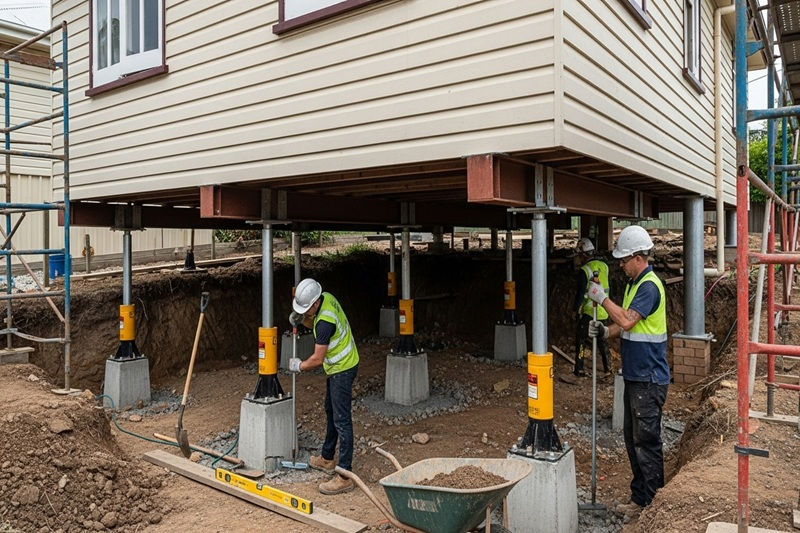
Have you noticed your floors feeling a bit wonky lately? Are your doors suddenly refusing to close properly, or have mysterious cracks appeared in your walls? If any of these sound familiar, your home might be trying to tell you something important about its foundation.
Reblocking, also known as restumping, is the process of replacing the stumps that support your home's floor structure. These stumps are essentially the legs your house stands on, and when they start to fail, the entire building can shift and settle unevenly. For many Australian homeowners, particularly those with older properties, this is a crucial maintenance issue that simply cannot be ignored.
Understanding Your Home's Foundation
House stumps are vertical supports that hold your floor frame off the ground. They create a gap between the earth and your floorboards, which helps with ventilation and protects against moisture damage. Think of them as the pillars holding up your entire living space.
Each stump bears a portion of your home's weight, distributing the load evenly across the foundation. When one or more stumps fail, the weight shifts to neighbouring stumps, creating a domino effect that can compromise your entire structure.
The Top Warning Signs Your Home Needs Reblocking
Uneven or Sloping Floors
One of the most obvious indicators of stump problems is flooring that slopes or feels uneven underfoot. You might notice marbles rolling to one side of a room, or furniture sitting at strange angles. This happens when stumps settle at different rates or when some have deteriorated more than others.
Walking through your home, pay attention to any areas where the floor dips noticeably. A slight slope might seem minor, but it often signals significant structural movement beneath your feet.
Cracks in Walls and Ceilings
Wall cracks are common in Australian homes, but certain types demand immediate attention. Diagonal cracks spreading from door frames or window corners often indicate foundation movement. Similarly, cracks appearing where walls meet ceilings can suggest your home is shifting.
Not every crack means disaster—settlement cracks are normal in new builds. However, cracks that continue growing, measure wider than 5mm, or appear suddenly should prompt a professional inspection.

Doors and Windows That Stick or Won't Close Properly
When your foundation moves, door and window frames twist out of alignment. You might find doors that used to close smoothly now drag against their frames. Windows may become difficult to open or refuse to lock properly.
These issues tend to worsen over time. What starts as a minor annoyance can progress to doors that won't close at all, creating security concerns and energy efficiency problems.
Visible Gaps Between Floors and Walls
Take a close look at where your walls meet your floors. Gaps or separations in these areas often indicate that your floor frame has dropped away from the wall structure. You might also notice skirting boards pulling away or becoming uneven.
These gaps allow drafts, pests, and moisture to enter your home. Beyond the structural implications, they can significantly impact your comfort and energy bills.
Bouncy or Spongy Floorboards
Does your floor bounce when you walk across it? This springy sensation suggests the stumps beneath are no longer providing adequate support. The floor joists flex excessively without proper support from below.
Bouncy floors can feel unsettling, and they often worsen progressively. Left untreated, this issue can lead to cracked tiles, broken floorboards, and even structural failure.
Musty Smells and Moisture Under the House
A persistent musty odour in your home could indicate moisture problems beneath the floor. While this isn't always related to stumps, deteriorating timber stumps often coincide with moisture issues. The rot that affects timber stumps thrives in damp conditions.
If you're able to access your sub-floor area, look for standing water, damp soil, or visible mould growth. These conditions accelerate stump deterioration and suggest ventilation problems.
What Causes Stumps to Deteriorate?
How Long Do House Stumps Last?
Timber stumps typically last between 20 and 50 years, depending on the wood species, soil conditions, and moisture exposure. Concrete stumps generally last longer—often 50 to 100 years—but they're not immune to damage.
Properties in certain areas may experience faster deterioration due to local soil conditions, termite activity, or flooding. Regular inspections become increasingly important as your stumps age.
The Impact of Australian Soil Conditions
Australian soils present unique challenges for home foundations. Reactive clay soils, common in Melbourne and other regions, expand when wet and contract during dry periods. This constant movement puts tremendous stress on stumps and can cause them to shift or sink.
Coastal areas deal with salt exposure, while flood-prone regions face repeated water damage. Understanding your local soil conditions helps predict potential stump problems.
Timber Rot vs Concrete Stump Damage
Timber stumps primarily fail through rot, termite damage, and fungal decay. You might notice the wood becoming soft, crumbly, or visibly deteriorated. Concrete stumps, on the other hand, can crack, spall, or crumble due to moisture infiltration, poor initial mixing, or ground movement.
Both types of damage require professional assessment. While timber rot is often visible, concrete damage can sometimes occur internally before becoming apparent.

Choosing the Right Reblocking Specialist
Select a licensed, insured contractor with specific reblocking experience. Request multiple quotes, check references, and ensure they offer written guarantees on their work. Membership in industry associations provides additional peace of mind.
Protecting Your Home's Foundation
Your home's foundation literally supports everything above it, making stump health essential to your property's longevity. From uneven floors and sticky doors to wall cracks and bouncy floorboards, the warning signs we've discussed shouldn't be ignored.
If you've spotted any warning signs in your home, don't delay in seeking professional advice. The cost of reblocking, while significant, pales in comparison to the expense and stress of repairing extensive structural damage. Your home is likely your biggest asset—give its foundation the attention it deserves.


Comments