The Latest Innovations in Safety Equipment Supplies
- Nivi Watson

- Mar 13
- 8 min read
Have you ever wondered how a simple hard hat has evolved into a sophisticated piece of technology that can monitor your vital signs? Or why the safety gear you're using today looks nothing like what your colleagues wore just five years ago? What if I told you that the future of workplace safety is already here, transforming how Australian businesses protect their most valuable asset – their people?
The world of safety equipment supplies has undergone a remarkable transformation in recent years. Gone are the days when protective gear was bulky, uncomfortable, and purely reactive. Today's innovations are smarter, lighter, and designed to prevent incidents before they happen. From construction sites in Melbourne to mining operations in Western Australia, businesses across Australia are embracing cutting-edge safety technology that's changing the game entirely.
In this article, we'll explore the latest trends shaping safety equipment supplies Australia, examine how technology is revolutionising workplace protection, and help you understand what these changes mean for your business. Whether you're a safety manager looking to upgrade your team's gear or a business owner trying to navigate Australian safety standards, you'll find practical insights to make informed decisions. Let's get stuck into what's new, what works, and what's coming next in the exciting world of safety equipment.
What Are the Latest Trends in Safety Equipment Supplies?
Smart PPE and Wearable Technology
The integration of smart technology into personal protective equipment represents one of the most exciting developments in workplace safety. Modern hard hats now come equipped with sensors that can detect fatigue, monitor environmental conditions, and even alert workers to potential hazards in real-time. These aren't just fancy gadgets – they're life-saving tools that provide valuable data to safety managers.
Wearable technology has moved well beyond simple step counters. Today's smart safety vests can track a worker's location on site, monitor their heart rate, and send automatic alerts if someone falls or remains motionless for too long. This technology is particularly valuable in high-risk industries like mining and construction, where seconds can make the difference between a close call and a serious incident.
Sustainable and Eco-Friendly Safety Gear
Australian businesses are increasingly demanding safety equipment that's kinder to the environment. Manufacturers have responded with innovative products made from recycled materials, biodegradable components, and sustainably sourced fabrics. This shift isn't just about corporate responsibility – eco-friendly safety gear often performs just as well as traditional options.
From gloves made with recycled ocean plastics to safety boots manufactured using renewable energy, sustainable options are now widely available. Many Australian suppliers now offer carbon-neutral delivery options and take-back programmes for worn-out equipment, making it easier than ever to maintain high safety standards while reducing your environmental footprint.
Advanced Materials and Lightweight Design
Nobody wants to wear heavy, restrictive gear for an eight-hour shift. That's why manufacturers are investing heavily in advanced materials that offer superior protection without the bulk. Modern safety glasses weigh a fraction of their predecessors while providing better impact resistance and clearer vision.
Breathable fabrics, flexible composites, and ergonomic designs are making safety equipment more comfortable than ever. Workers are more likely to wear gear properly when it doesn't feel like a burden, which ultimately leads to better safety outcomes across the board.
How Is Technology Changing Workplace Safety Equipment?
IoT-Connected Safety Devices
The Internet of Things has transformed how safety equipment functions on Australian worksites. Connected devices can communicate with each other and central monitoring systems, creating a comprehensive safety network that keeps everyone informed. Imagine a gas detector that not only alerts the wearer but simultaneously notifies the entire team and triggers evacuation protocols.
These connected systems provide real-time visibility into workplace conditions, allowing supervisors to identify potential hazards before they become dangerous. The data collected helps businesses understand patterns, predict risks, and make evidence-based decisions about their safety programmes.
AI-Powered Hazard Detection Systems
Artificial intelligence is making safety equipment smarter and more proactive. AI-powered cameras can identify unsafe behaviours, detect when workers aren't wearing proper PPE, and flag potential hazards that human observers might miss. These systems learn and improve over time, becoming more accurate and effective with each passing day.
What's particularly exciting is how AI integrates with existing safety infrastructure. Modern systems can analyse footage from standard security cameras, transforming basic surveillance into sophisticated hazard detection without requiring expensive hardware upgrades.
Real-Time Monitoring and Data Analytics
The ability to collect and analyse safety data in real-time has revolutionised how Australian businesses approach workplace protection. Dashboards provide instant visibility into PPE compliance, environmental conditions, and worker wellbeing across multiple sites. This information empowers safety managers to take immediate action when issues arise.
Beyond immediate response, data analytics help identify long-term trends and recurring problems. By understanding patterns in incidents and near-misses, businesses can implement targeted interventions that address root causes rather than just symptoms.
What Safety Equipment Is Required in Australian Workplaces?
Industry-Specific Requirements
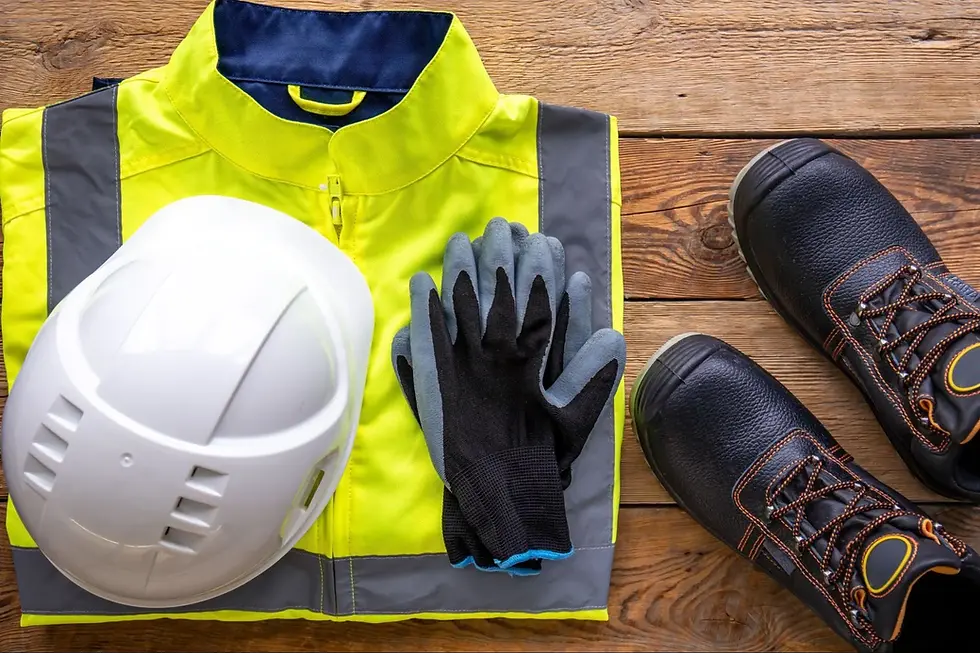
Different industries face different hazards, which means safety equipment requirements vary considerably across sectors. Construction sites typically require hard hats, high-visibility clothing, steel-capped boots, and hearing protection as a minimum. Mining operations often need respiratory protection, fall arrest systems, and specialised protective clothing designed for harsh conditions.
Healthcare workers require different PPE altogether – gloves, masks, gowns, and eye protection to guard against biological hazards. Manufacturing environments might demand cut-resistant gloves, safety glasses, and hearing protection depending on the specific processes involved. Understanding your industry's requirements is the first step toward proper compliance.
Understanding Australian Safety Standards and Compliance
Australian safety standards are set by Safe Work Australia and enforced through state and territory regulators. All PPE used in Australian workplaces must meet relevant Australian Standards – you'll often see these marked as AS/NZS followed by a number. For example, safety eyewear must comply with AS/NZS 1337.1.
Staying compliant isn't just about avoiding fines – it's about ensuring your equipment actually provides the protection you need. Non-compliant gear might look similar to approved products but could fail when you need it most. Always verify that your supplier provides equipment meeting current Australian Standards.
How Often Should Safety Equipment Be Replaced?
There's no one-size-fits-all answer to replacement schedules, as different equipment has different lifespans. Hard hats typically need replacing every three to five years, even if they look fine – UV exposure and general wear degrade the materials over time. Safety footwear should be replaced when soles show significant wear or protective features become compromised.
Regular inspections are essential for identifying when equipment needs replacement. Establish a routine maintenance schedule and train workers to recognise signs of wear or damage. When in doubt, replace the item – the cost of new equipment is always less than the cost of an injury.
Best Safety Equipment Suppliers: What to Look For
Quality Certifications and Accreditations
When choosing a safety equipment supplies Australia, certifications matter enormously. Look for suppliers who stock products certified to Australian Standards and can provide documentation to prove compliance. Reputable suppliers will happily share certification details and won't pressure you to buy uncertified alternatives.
Beyond product certifications, consider whether the supplier themselves holds quality management certifications like ISO 9001. These accreditations indicate a commitment to consistent quality and customer service that goes beyond simply stocking approved products.
Range of Products and Customisation Options
The best suppliers offer a wide range of products to meet diverse needs. Whether you're outfitting a small office or a large industrial operation, your supplier should have options at various price points and specifications. Customisation services – like branded PPE or equipment modified for specific tasks – can add significant value for larger organisations.
Don't overlook the importance of sizing and fit options. Safety equipment only works properly when it fits correctly, so suppliers offering multiple sizes and adjustment options demonstrate a genuine understanding of workplace safety needs.
Reliable Delivery and After-Sales Support
Fast, reliable delivery is crucial when you need safety equipment urgently. Look for suppliers with strong logistics networks and the ability to deliver across Australia within reasonable timeframes. Some suppliers offer emergency same-day delivery in major cities, which can be invaluable when equipment fails unexpectedly.
After-sales support separates good suppliers from great ones. This includes technical advice, help with sizing and selection, training resources, and responsive customer service when issues arise. Building a relationship with a supportive supplier makes managing your safety programme much easier in the long run.
Comparing Safety Equipment Brands: Premium vs Budget Options
Is Expensive Safety Gear Worth the Investment?
The short answer is: sometimes. Premium safety equipment often offers better comfort, durability, and additional features that justify higher prices. Workers wearing comfortable, high-quality gear are more likely to wear it correctly and consistently, which improves overall safety outcomes.
However, expensive doesn't always mean better. Some budget options meet the same safety standards as premium alternatives and perform perfectly well for their intended purpose. The key is matching equipment to your specific needs – paying extra for features you don't need wastes money, but skimping on essential protection creates unacceptable risk.
Top-Rated Safety Equipment Brands in Australia
Australian workplaces trust several established brands known for quality and reliability. 3M, Honeywell, and Uvex consistently rank highly for respiratory and eye protection. For footwear, brands like Blundstone, Oliver, and Steel Blue offer Australian-made options designed for local conditions.
Emerging brands are also making their mark, particularly in smart PPE and sustainable equipment categories. Don't dismiss newer names automatically – many offer innovative features and competitive pricing that established brands are only beginning to match.
How to Choose the Right Safety Equipment for Your Business
Conducting a Workplace Risk Assessment
Everything starts with understanding your specific hazards. A thorough risk assessment identifies what dangers your workers face and determines what protection they need. This isn't a one-time exercise – risk assessments should be reviewed regularly and updated whenever processes, equipment, or conditions change.
Involve workers in the assessment process. They understand the day-to-day realities of their jobs better than anyone and can identify hazards that might not be obvious from a management perspective. Their buy-in also makes implementing safety measures much smoother.
Matching Equipment to Specific Hazards
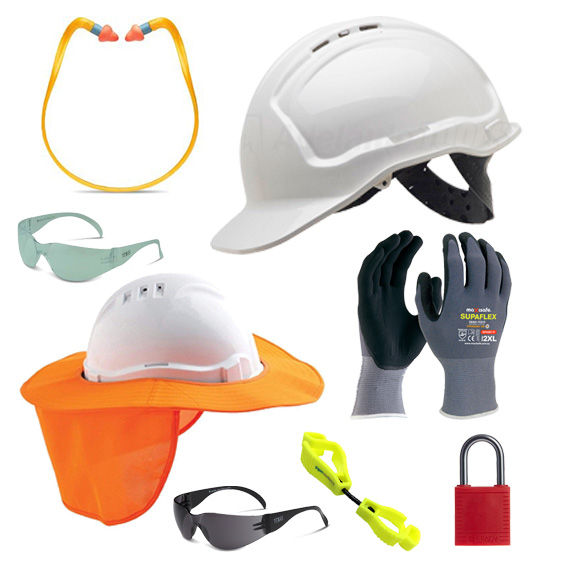
Once you've identified hazards, selecting appropriate equipment becomes much clearer. Eye hazards require safety glasses or goggles rated for the specific risk – whether that's impact, chemical splash, or radiation. Hearing hazards need protection matched to the noise levels and duration of exposure.
Don't forget about multiple simultaneous hazards. A worker might need respiratory protection, eye protection, and hearing protection all at once – making sure these items work together comfortably is essential. Some manufacturers offer integrated systems designed to address multiple hazards simultaneously.
Training Staff on Proper Equipment Use
Even the best safety equipment fails if workers don't use it correctly. Comprehensive training should cover when to wear each item, how to fit and adjust it properly, how to inspect for damage, and how to maintain and store equipment correctly.
Training shouldn't be a one-off event. Regular refreshers keep safety top of mind and provide opportunities to address new equipment or changed procedures. Make training engaging and practical – demonstrations and hands-on practice are far more effective than lengthy presentations.
The Future of Safety Equipment: What's Next?
The pace of innovation in safety equipment shows no signs of slowing. Augmented reality headsets are being developed for hazardous environments, providing workers with real-time information overlaid on their field of vision. Exoskeletons that reduce strain and prevent musculoskeletal injuries are moving from research labs to real worksites.
Predictive analytics will become increasingly sophisticated, identifying risks before incidents occur based on patterns in equipment data, environmental conditions, and worker behaviour. The integration of safety equipment with broader workplace management systems will create seamless, comprehensive protection that adapts to changing conditions automatically.
Conclusion: Investing in Innovation for a Safer Workplace
The latest innovations in safety equipment supplies represent a genuine leap forward in protecting Australian workers. From smart PPE that monitors vital signs to sustainable materials that protect both people and planet, today's safety gear is more effective, comfortable, and intelligent than ever before. The technology revolution sweeping through workplaces has transformed protective equipment from passive barriers into active safety partners.
Investing in modern safety equipment isn't just about compliance – it's about creating a workplace where people feel valued and protected. When workers trust their equipment and understand how it protects them, they're more engaged, more productive, and more likely to follow safety procedures consistently. The financial case is compelling too: preventing injuries saves money on compensation, lost time, and the hidden costs of workplace incidents.
The key is taking action. Whether you're upgrading existing equipment, evaluating new suppliers, or simply staying informed about emerging technologies, every step toward better safety makes a difference. Chat with your supplier about the latest options, involve your team in decisions about their protective gear, and keep an eye on how innovations might benefit your specific situation. Your workers deserve the best protection available – and with today's incredible innovations, providing that protection has never been more achievable.


Comments