How to Maintain Efficient Air Conditioning Systems

Ever wondered why your split system air conditioner isn't cooling as well as it used to? Or perhaps you've noticed your energy bills creeping up despite not changing your usage habits? Could it be that your trusty AC unit is crying out for some attention?
If you're like most Aussie homeowners, your split system air conditioner is an absolute lifesaver during those scorching summer months. But here's the thing – these hardworking units need regular TLC to keep performing at their best. Split system air conditioner maintenance isn't just about comfort; it's about protecting your investment and keeping those power bills in check.

In this guide, we'll walk you through everything you need to know about maintaining your split system. From DIY cleaning tips to knowing when it's time to call in the professionals, we've got you covered. You'll learn how to service a split system air conditioner yourself, understand the warning signs that something's not quite right, and discover how regular servicing can save you serious money in the long run. Let's get stuck into it!
Do Split System Air Conditioners Need Servicing?
The short answer? Absolutely. Your split system air conditioner works incredibly hard, especially during Australian summers when temperatures regularly climb above 35°C. Like any hardworking appliance, it needs regular attention to stay in top shape.
What Happens When You Skip Regular Maintenance?
When you neglect split system maintenance, several things start going wrong. Dust and debris build up in the filters, forcing your unit to work harder to push air through. This puts strain on the compressor and fan motors, leading to premature wear and tear.
The drainage system can become blocked, potentially causing water damage to your walls and ceilings. Refrigerant levels may drop due to small leaks, reducing cooling capacity and making your unit work overtime. Not to mention, a poorly maintained unit becomes a breeding ground for mould and bacteria – not exactly what you want circulating through your home.
How Often Should You Service a Split System Air Conditioner?
For most households, professional servicing a split system air conditioner once or twice a year is ideal. If you use your unit heavily throughout summer, aim for a service before the hot season kicks in and another afterwards. Between professional visits, you should clean the filters yourself every few weeks during peak usage periods.
How to Service a Split System Air Conditioner: A Step-by-Step Guide
Understanding how to service air conditioner split unit components yourself can save you money and keep your system running smoothly between professional visits. Here's what you can tackle at home.
Cleaning the Indoor Unit Filters
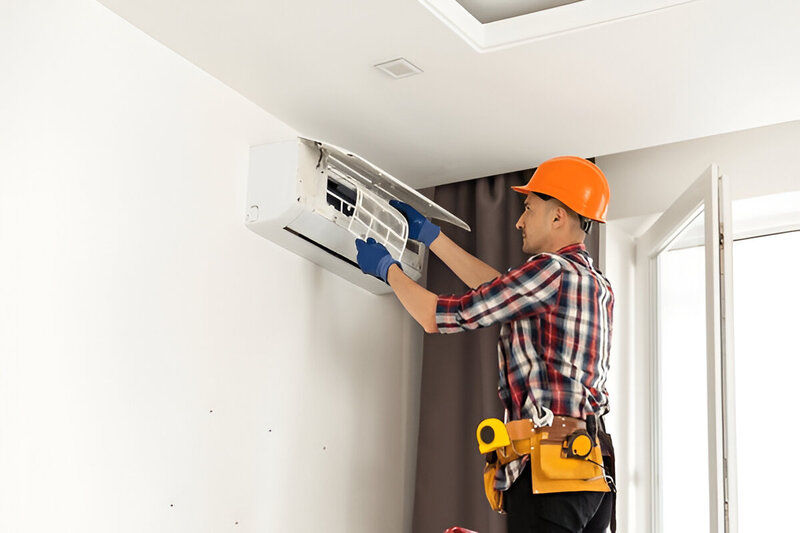
This is the most important DIY maintenance ac split task you can do. Start by switching off your unit completely – not just with the remote, but at the power point. Open the front panel of your indoor unit (usually by lifting it gently) to reveal the filters.
Remove the filters carefully and give them a good vacuum to remove loose dust. Then wash them with warm, soapy water and rinse thoroughly. Let them dry completely before popping them back in – putting wet filters back can encourage mould growth. This simple task takes about 15 minutes and makes a massive difference to your unit's performance.
How to Service Air Conditioner Split Unit: Outdoor Condenser Care
Your outdoor unit needs attention too. Check the area around it regularly – remove any leaves, debris, or overgrown plants that might be blocking airflow. The unit needs at least 50cm of clearance on all sides to work effectively.
You can gently hose down the condenser coils to remove built-up dirt but be careful not to use high pressure as this can damage the delicate fins. If the fins are bent, a fin comb (available from hardware stores) can help straighten them out.
Checking and Clearing the Drainage System
Your split system produces condensation as it cools, and this water needs somewhere to go. Check the drainpipe regularly for blockages – a clogged drain can cause water to back up and leak inside your home.
Pour a cup of diluted bleach or vinegar through the drain line every few months to prevent algae and mould buildup. If you notice water pooling around your indoor unit, there's likely a drainage issue that needs attention.
Inspecting Refrigerant Levels and Connections
This is where DIY maintenance ends and professional territory begins. While you can't check refrigerant levels yourself (it requires specialised equipment), you can look for signs of problems. Ice forming on the indoor unit or a hissing sound often indicates low refrigerant. If you spot these issues, it's time to call a professional.
DIY Split System AC Maintenance vs Professional Servicing
Knowing what you can handle yourself versus what needs expert attention is crucial for effective split air conditioning maintenance.
What Can You Safely Do Yourself?
Regular filter cleaning, keeping the outdoor unit clear of debris, and checking drainage are all perfectly safe DIY tasks. You can also wipe down the indoor unit's exterior and ensure vents aren't blocked by furniture or curtains. These simple tasks form the backbone of good split ac maintenance.
When Should You Call a Professional for Servicing a Split System Air Conditioner?
Professional technicians should handle anything involving electrical components, refrigerant, or internal parts. If your unit is making strange noises, not cooling properly despite clean filters, or showing error codes, it's time to call in the experts. An annual professional service split system air conditioner check will include thorough cleaning of components you can't access, refrigerant level testing, and electrical safety checks.
Seasonal Split Air Conditioning Maintenance Tips
Australia's climate demands year-round attention to your split system air conditioning maintenance routine.
Preparing Your System for Australian Summers
Before the heat hits, book a professional service to ensure everything's running smoothly. Clean your filters, clear around the outdoor unit, and test the system on a mild day. Check that your remote is working properly and the batteries are fresh – you don't want to discover problems when it's 42°C outside!
Winter Maintenance: Keeping Your System Ready Year-Round
Even if you don't use your unit much in winter, don't completely ignore it. Run it occasionally in heating mode to keep components lubricated. Cover the outdoor unit if you won't be using it for extended periods but remember to remove the cover before switching it back on.
Common Signs Your Split System Needs Immediate Attention
Recognising warning signs early can prevent expensive repairs and keep your split air conditioner maintenance costs down.
Strange Noises and What They Mean
Grinding or squealing usually indicates a motor bearing problem. Rattling might mean loose components or debris in the outdoor unit. Clicking sounds when the unit starts or stops are generally normal, but constant clicking suggests an electrical issue. Hissing often points to refrigerant leaks – definitely time for a professional.
Reduced Cooling Performance and Airflow Issues
If your unit isn't cooling like it used to, check the filters first. If they're clean but performance is still poor, you might have low refrigerant, a failing compressor, or blocked coils. Reduced airflow could indicate a clogged filter, blocked vents, or a failing fan motor.
Unusual Odours and How to Address Them
A musty smell usually means mould in the filters or drainage system – clean both thoroughly. A burning smell indicates an electrical problem and you should switch off the unit immediately. Chemical smells might suggest a refrigerant leak, which requires professional attention right away.
The Cost Benefits of Regular Split System Maintenance
Investing in regular maintenance pays off significantly over time.
Energy Efficiency and Lower Power Bills
A well-maintained split system uses up to 25% less energy than a neglected one. Clean filters and coils mean the unit doesn't have to work as hard to achieve the same cooling, translating directly to lower electricity bills. Given rising energy costs in Australia, this saving adds up quickly.
Extending the Lifespan of Your Unit
A quality split system should last 10-15 years with proper care. Without regular split system air conditioner maintenance, you might be looking at replacement after just 7-8 years. Considering a new unit costs anywhere from $1,500 to $5,000 installed, looking after your current system makes financial sense.
Creating Your Split System Air Conditioner Maintenance Schedule
So, there you have it – everything you need to know about keeping your split system running smoothly for years to come. Regular maintenance isn’t complicated, but it does require consistency and attention to detail.
Start by marking your calendar with monthly filter checks and cleaning sessions. Schedule professional servicing before summer arrives – book early, as HVAC technicians get incredibly busy once the heat kicks in. If you’re located locally, arranging a trusted air conditioning Elwood service provider in advance can save you both time and stress during peak season.
Keep an eye out for warning signs and address them promptly rather than hoping they’ll go away. Taking care of your split system is honestly one of the best investments you can make for your home comfort and your wallet.
A few minutes of attention each month, plus annual professional servicing, will keep you cool through many Australian summers to come. Your future self (and your electricity bill) will thank you for it!


Comments