How Regular Property Maintenance Prevents Costly Repairs
Owning a property is an investment. It could be a home, rental property, commercial building or industrial facility. Keeping it in condition is crucial. This protects its value and functionality. Many property owners only fix issues when they become a problem. This often results in repairs and disruptions.
Regular property maintenance is an approach. It helps find issues before they become major problems. By investing in inspections and upkeep property owners can save money. They can also extend the lifespan of building components. Ensure a safer environment.

The True Cost of Neglecting Maintenance
Small property issues can quickly become problems. A small roof leak can lead to water damage, mold growth and structural weakening. A neglected plumbing issue can cause pipes and costly restoration work.
The financial impact of delayed repairs is often much greater than maintenance. What could have been fixed with an inspection and minor repair may require complete replacement.
Regular property maintenance helps property owners avoid these situations. It addresses. Tear before it becomes a serious problem.
Protecting Structural Integrity
Every building gets older and faces conditions. Rain, wind, sunlight and temperature fluctuations cause deterioration. Routine maintenance preserves structural elements like:
Roofing systems
Foundations
Walls and cladding
Windows and doors
Gutters and drainage systems
Periodic inspections can find cracks, leaks and corrosion early. Repairing these issues promptly prevents damage.
When structural problems are left untreated repairs become more complicated and expensive.
Preventing Water Damage
Water is one of the destructive forces affecting buildings. Even a small leak can cause damage. Regular property maintenance includes checking:
Roof conditions
Gutters and downpipes
Plumbing fixtures
Waterproofing systems
Drainage infrastructure
Early detection of leaks helps prevent mold growth timber rot and electrical hazards.
Water-related repairs often involve trades and restoration services. Preventive maintenance minimizes these risks.
Extending the Life of Building Systems
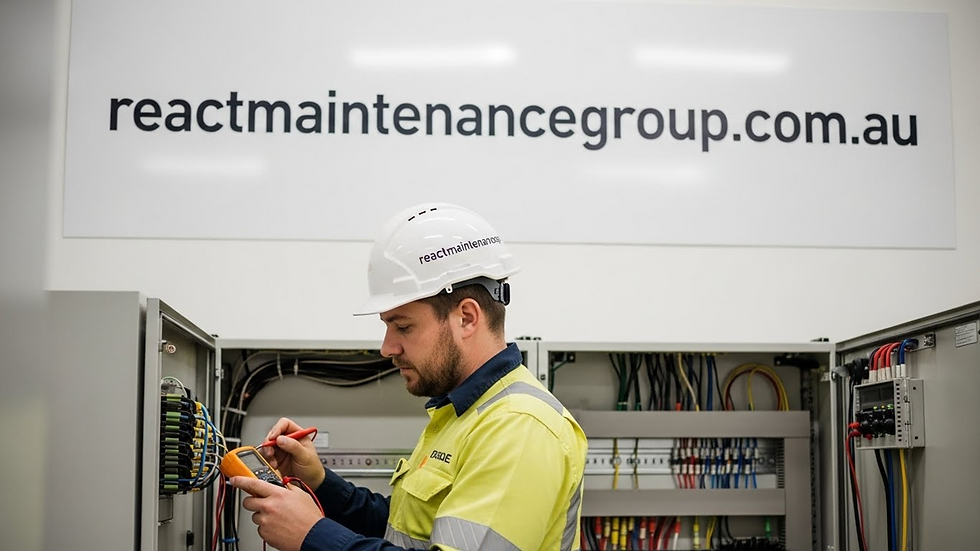
Modern properties rely on electrical systems. Heating, cooling, plumbing and ventilation systems require attention. Routine servicing ensures equipment functions properly. Avoids unexpected breakdowns.
Examples include air conditioning maintenance and plumbing system checks. When equipment is maintained regularly it operates efficiently and lasts longer.
Consistent property maintenance allows property owners to maximize their investment. It extends the lifespan of building infrastructure.
Improving Energy Efficiency
Poorly maintained properties consume energy. Drafty windows, dirty HVAC systems and damaged insulation contribute to utility bills. Regular maintenance can improve energy efficiency by:
Sealing air leaks
Cleaning heating and cooling systems
Replacing weather stripping
Maintaining insulation performance
Lower energy consumption reduces operating costs. Supports environmental sustainability.
For property owners energy-efficient buildings improve long-term financial performance.
Enhancing Safety and Compliance
Property safety should be a priority. Neglected maintenance can create hazards. Routine property maintenance helps. Correct safety issues before accidents occur.
It also assists property owners in meeting building regulations and insurance obligations. Maintaining compliance reduces the likelihood of liabilities.
Preserving Property Value
Property value is closely linked to its condition. Buildings that receive care maintain their appearance and market appeal. Prospective buyers and tenants assess maintenance history when evaluating a property.
Visible signs of neglect can reduce buyer confidence. Maintained properties often command higher sale prices and rental income.

Reducing Emergency Repair Costs
Emergency repairs are often more expensive than planned maintenance. Preventive property maintenance significantly reduces the likelihood of emergencies.
Scheduled inspections and servicing allow property owners to plan repairs and budget appropriately. This approach results in financial control.
Supporting Tenant Satisfaction
For commercial properties maintenance plays a major role, in tenant satisfaction. Tenants expect an comfortable environment. Regular maintenance demonstrates professionalism and commitment to tenant wellbeing.
Benefits include improved comfort and higher tenant retention. Satisfied tenants are more likely to renew leases and recommend the property.
Creating a Term Maintenance Plan
A structured maintenance schedule prevents costly repairs. A comprehensive maintenance plan should include:
Monthly Inspections
Seasonal Maintenance
Annual Professional Assessments
Record Keeping
A proactive maintenance plan allows property owners to address issues systematically.
Regular property maintenance is an investment. It helps avoid repairs and unexpected disruptions. By identifying issues early property owners can ensure their properties remain safe, efficient and valuable. Whether managing a family home or commercial facility a consistent maintenance strategy delivers term financial savings and peace of mind.
Comments